
Estate & Personal Documents
How to Get an Affidavit Notarized in New Jersey
By Tawana Harris ·
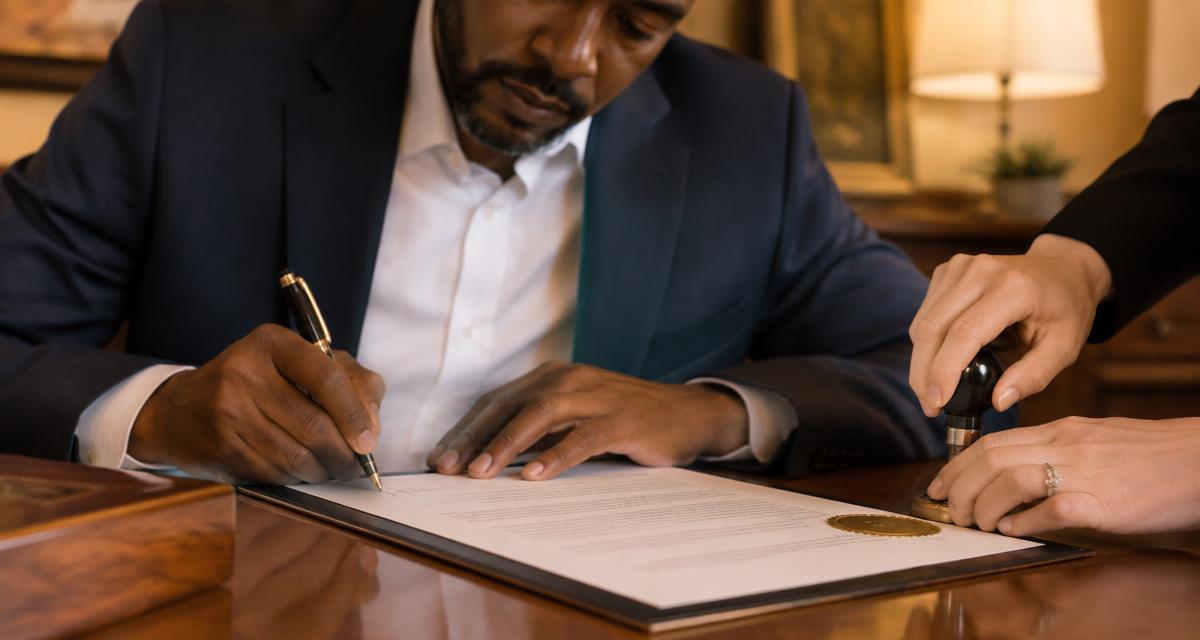
An affidavit is a written statement you swear or affirm to be true, often used for court matters, name changes, insurance claims, or other formal purposes. Because the whole point of an affidavit is that you are attesting to its truthfulness under oath, notarization is usually required before it can be accepted.
Here is what actually happens during an affidavit notarization in New Jersey, and how to make sure your appointment goes smoothly.
Why affidavits usually require a jurat
Most affidavits use a notarial act called a jurat, rather than an acknowledgment. With a jurat, you swear or affirm that the contents of the document are true, and you must sign the affidavit in the notary's physical presence. This differs from an acknowledgment, where you simply confirm a signature already on the page is yours.
Because a jurat requires signing in front of the notary, you cannot sign an affidavit ahead of time and bring it in already completed. Bring the document unsigned so the notary can witness the signature as part of the oath or affirmation.
What to bring to your appointment
- The affidavit itself, unsigned, printed and complete except for your signature
- Valid, unexpired government-issued photo identification
- Any exhibits or attachments referenced in the affidavit
- A calm setting where you can read the statement carefully before swearing to it
A notary cannot write or supply the affidavit's wording. If your document has no notarial certificate language, you or the requesting party will need to add the correct wording before the appointment.
What the notary can and cannot do
The notary's job is to administer the oath or affirmation, confirm your identity, witness your signature, and complete the notarial certificate and journal entry. The notary cannot tell you whether the statements in your affidavit are legally sufficient, cannot suggest what to include, and cannot explain the legal effect of what you are signing.
If you have questions about the content of an affidavit or whether it meets a court's or agency's requirements, those questions should go to an attorney or the office requesting the document.
Signing on your schedule
Affidavits often come with deadlines, whether for a court filing or an administrative request. A New Jersey notary can meet you anywhere in the state, which makes it easier to get a time-sensitive affidavit signed without rearranging your whole day.
- Can I sign the affidavit before the notary arrives?
- No. Most affidavits require a jurat, which means you must sign in the notary's presence after swearing or affirming to its contents.
- Does the notary read my affidavit?
- The notary may glance at the document to confirm it has a notarial certificate and a signature line, but does not review the substance or advise on its content.
- What if my affidavit has no notary wording on it?
- A notary cannot add or choose certificate wording for you. Check with whoever requested the affidavit for the correct language.
- Can someone sign an affidavit for me if I cannot be there?
- No. You must personally appear and swear to the statement yourself; nobody can do this on your behalf.
Describing your affidavit when you request an appointment
When you reach out to schedule, mention what the affidavit is for in general terms, such as a name change, a lost title, an insurance claim, or a court filing, along with how many pages and exhibits are attached. This helps the notary plan enough time, especially if the affidavit references attachments that also need to be identified or initialed at signing.
If more than one person needs to swear to the same affidavit, or if separate affidavits are being signed by different family members at the same visit, say so when booking. Each signer will need their own valid identification and will individually swear or affirm to their own statement in front of the notary.
When a signer cannot easily leave home
Affidavits tied to a hospital stay, a care facility, or a homebound family member are common. A notary can travel to those settings anywhere in New Jersey, but the signer still needs to be capable of understanding the oath and answering that the statement is true, and must be signing without being pressured to do so. If those conditions cannot be met, the notary may need to decline, and that outcome should be discussed with whoever requested the affidavit.
Why some appointments cannot proceed as planned
The most common reason an affidavit signing has to be rescheduled is that the document arrives already signed. Because most affidavits require a jurat, the signature must happen in the notary's presence; a signature made beforehand cannot be notarized after the fact, even if the signer is willing to swear to its truth at the appointment.
- The affidavit is missing a notarial certificate or oath language entirely
- The document was already signed before the notary arrived
- A required exhibit or attachment referenced in the text is missing
- The person named as the affiant is not the person who appears
- The identification presented is expired or does not match the name on the document
If any of these issues come up, the appointment may need to be rebooked once the paperwork is corrected. It is worth double-checking the document against the requesting agency's instructions the day before your appointment so nothing is missing when the notary arrives.
What happens to the completed affidavit
Once signed and notarized, the affidavit typically goes straight to the court, agency, insurer, or other party that requested it, so keep a copy for your own records before it is filed or mailed. The notary also logs the act in a journal, noting the date, the type of identification used, and the type of notarial act performed, which creates a lasting record independent of the document itself.
Ready to get your affidavit notarized
Signed By Love Levon Notary Services helps New Jersey residents complete affidavits and other sworn statements at a time and place that works for them, Monday through Saturday from 8:00 AM to 8:00 PM and by appointment on Sunday. Request an appointment through the contact form to get started.
This information is provided for general educational purposes and is not legal advice. A Notary Public cannot provide legal advice unless separately authorized to do so.
Need a Notary in New Jersey?
If you need professional Notary services, we're here to help. Contact us to ask about availability and schedule your Notary appointment.
Related notary services
Related guides
- What Is the Difference Between an Acknowledgment and a Jurat?Acknowledgments confirm a signature was made willingly, while jurats require swearing to the truth of a document's contents.
- How to Get a Power of Attorney Notarized in New JerseyA clear walkthrough of what New Jersey notaries can and cannot do when you need a power of attorney signed.
- What Forms of Identification Can Be Used for a New Jersey Notarization?A quick guide to the identification New Jersey notaries typically rely on to confirm who you are.