New Jersey Notary FAQs
What Is the Difference Between an Acknowledgment and a Jurat?
By Tawana Harris ·
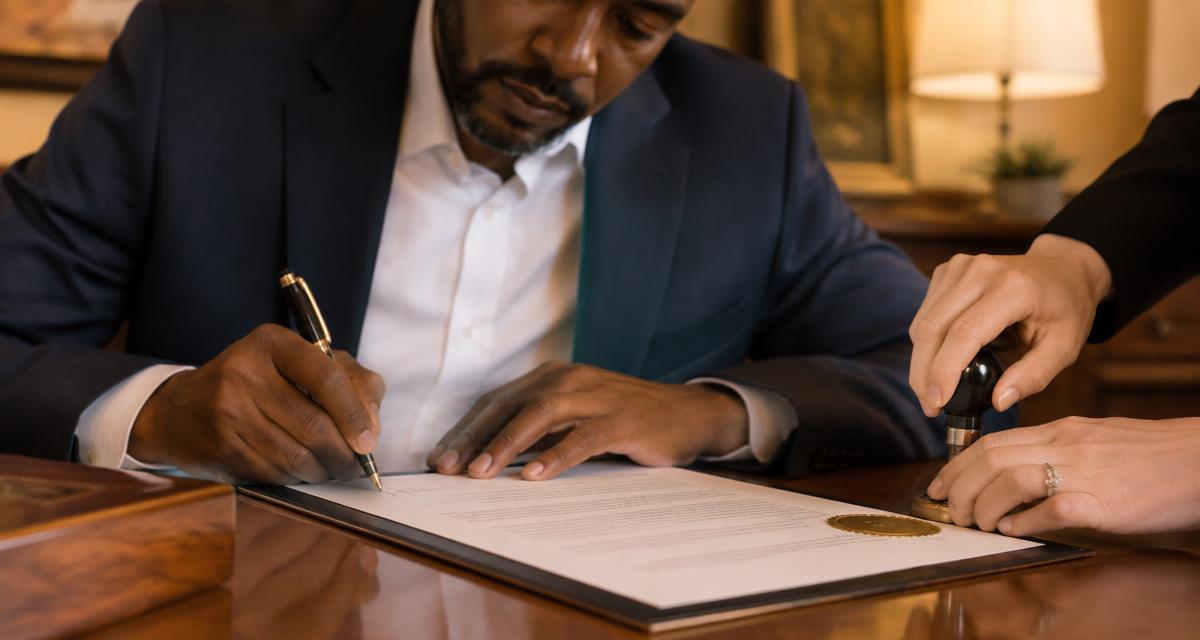
An acknowledgment and a jurat are the two most common notarial acts, and the difference comes down to what the signer is doing in front of the notary. In an acknowledgment, the signer confirms that a signature is theirs and was made freely; the signature may already be on the page. In a jurat, the signer must swear or affirm that the contents of the document are true, and they must sign it in the notary's presence.
Getting this distinction right matters because the document itself, or the person requesting the notarization, usually specifies which one is required. Signing early or leaving the signature line blank at the wrong time can create a problem at your appointment.
How an acknowledgment works
With an acknowledgment, the signer appears before the notary and declares that the signature on the document is theirs, and that they signed it for the purpose stated in the record. Because the declaration is about the signature, not the truthfulness of the content, the document can technically already be signed before the appointment, as long as the signer is prepared to acknowledge it in the notary's presence.
Acknowledgments are common for documents like deeds, powers of attorney, and trusts, where the point is confirming that the person genuinely executed the document, not that they are swearing to facts contained in it.
How a jurat works
A jurat requires the signer to swear or affirm, under penalty of perjury, that the statements in the document are true. Because the notary is administering an oath tied to the act of signing, the signer must sign the document in front of the notary, not beforehand. If a document requiring a jurat arrives already signed, the notary generally cannot complete a jurat certificate for it.
Jurats are typical for affidavits and sworn statements, where the entire point of the document is the signer's sworn testimony to specific facts.
If you are not sure which type your document needs, check the notarial certificate wording on the document itself, or ask the party requesting the notarized document before your appointment.
A side-by-side comparison
- Acknowledgment: confirms the signature is genuine and voluntary; document may be pre-signed.
- Jurat: confirms the contents are true under oath; document must be signed in front of the notary.
- Acknowledgment: common for deeds, powers of attorney, trusts.
- Jurat: common for affidavits and sworn statements.
- Both: require satisfactory identification and are logged in the notary's journal.
Why the notary cannot choose the certificate for you
New Jersey notaries are not permitted to select or draft notarial certificate wording or give legal advice about which type of notarization a document requires. If your document does not already include the correct certificate language, that determination needs to come from the document's preparer, the requesting agency, or an attorney, not the notary performing the act.
What this means for you
Before your appointment, check whether the document already has acknowledgment or jurat language printed on it. If it does not, or if you are unsure, reach out to whoever is requiring the notarized document so you arrive prepared with the correct expectation.
Why the distinction affects how you prepare
Because a jurat requires signing in front of the notary, arriving with a jurat document already signed can mean the notary is unable to complete the certificate as written, since the sworn statement is tied directly to the act of signing under oath. This is one of the more common reasons an appointment does not go as smoothly as expected, so it is worth checking the certificate language before you sit down to sign anything.
An acknowledgment gives more flexibility, since the signature can be made ahead of time as long as the signer is present to personally acknowledge it. Even so, many people choose to sign acknowledgment documents in front of the notary anyway, simply to avoid any question about when or how the signature was made.
Quick self-check before your appointment
- Read the certificate paragraph on the document, usually near the signature line.
- Look for the word acknowledged, or personally appeared and acknowledged, for an acknowledgment.
- Look for the word sworn, or subscribed and sworn, for a jurat.
- If you cannot find certificate language at all, contact the requesting party before your appointment.
What happens when the wrong certificate is attached
If a document arrives with the wrong certificate type attached, or with no certificate at all, the notary cannot draft or select the correct wording on your behalf. New Jersey notaries are limited to performing the notarial act itself, not completing the legal content of the document. In this situation, the most efficient path is to pause and confirm with whoever requested the notarized document what certificate language they expect, then bring the corrected document to a new or rescheduled appointment.
This is also why it helps to ask early, rather than at the appointment itself, since correcting certificate language after the fact typically means starting the notarial act over.
Frequently Asked Questions
- Can I sign the document before the notary arrives?
- Only if the document requires an acknowledgment. If it requires a jurat, you must sign in the notary's presence.
- What if my document does not say which type it needs?
- Check with the party requesting the document. Notaries cannot choose or supply certificate wording for you.
- Can one document contain both an acknowledgment and a jurat?
- Some multi-part documents contain separate certificates for different signers or purposes, but each individual certificate will call for one type or the other.
- Does an oath always involve signing a document?
- No. Oaths and affirmations can be administered on their own without any document signature involved.
- What if I already signed a document that needed a jurat?
- Let the notary know before the appointment. In many cases the signer will need to sign a fresh copy in the notary's presence for the jurat to be completed properly.
- Can the notary tell me which certificate my document legally needs?
- No. That determination should come from the document's preparer, the requesting agency, or an attorney, since it involves legal judgment the notary cannot provide.
Bring the right paperwork, get it right the first time
Knowing whether your document needs an acknowledgment or a jurat helps your appointment go smoothly. If you still have questions, Signed By Love Levon Notary Services is glad to help you prepare. Request an appointment today.
This information is provided for general educational purposes and is not legal advice. A Notary Public cannot provide legal advice unless separately authorized to do so.
Need a Notary in New Jersey?
If you need professional Notary services, we're here to help. Contact us to ask about availability and schedule your Notary appointment.
Related notary services
Related guides
- How to Get an Affidavit Notarized in New JerseyA practical guide to notarizing an affidavit in New Jersey, including identification, wording, and appointment steps.
- Does the Document Have to Be Signed in Front of the Notary?Whether you must sign in front of the notary depends on the type of notarial act your document requires.
- What Happens If My ID Is Expired at a Notary Appointment?An expired ID usually cannot be used, but New Jersey law still gives you a couple of ways to move forward that day.