
Real Estate & Loan Signings
Common Questions About Real Estate Notarizations in New Jersey
By Tawana Harris ·
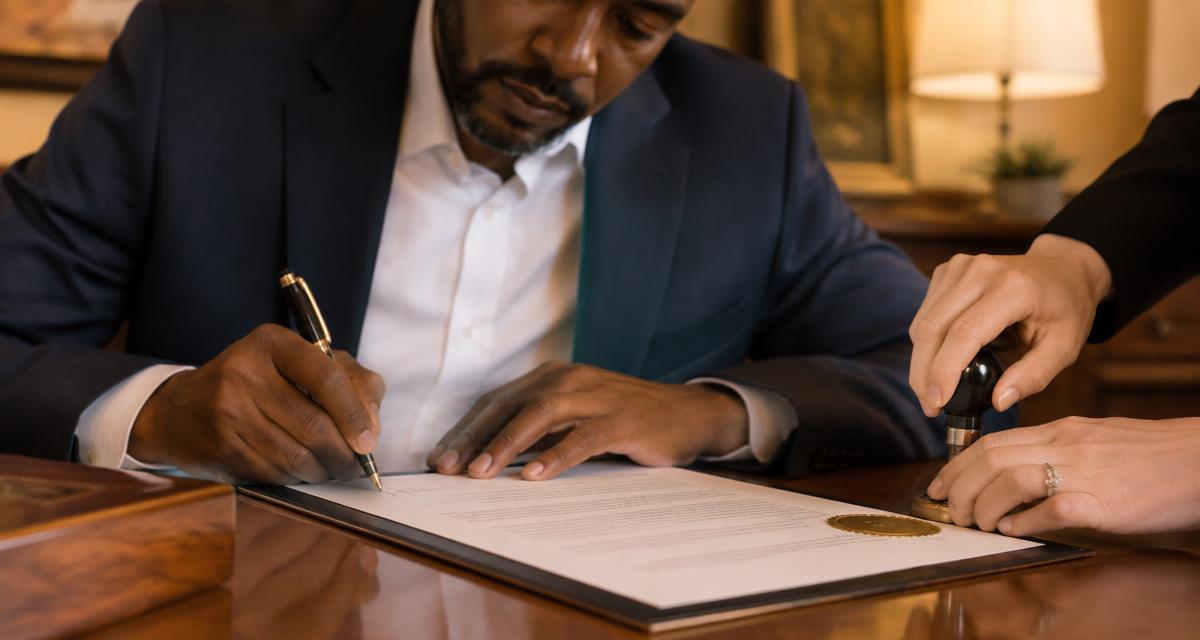
Real estate transactions come with a lot of paperwork, and questions about notarization tend to come up at every stage, from listing a property to closing on a purchase or refinance. Below are answers to some of the questions New Jersey homeowners and borrowers ask most often about getting real estate documents notarized.
These answers are general in nature. Because a notary cannot give legal or financial advice, any question about the substance of your transaction, such as loan terms, closing procedures, or title matters, should go to your lender, title company, escrow officer, or an attorney.
Questions About Who Needs to Be There
One of the most frequent points of confusion involves who actually has to appear for a notarization. Every person whose signature requires notarization must appear in person before the notary. This is true no matter how the ownership or loan is structured, and it applies to co-borrowers, co-owners, and spouses alike.
- A spouse cannot sign on behalf of the other spouse, even with written permission
- A power of attorney may allow someone to sign in certain situations, but the document itself must be reviewed and accepted by the lender or title company beforehand
- Remote signers who cannot appear in person for a real estate closing should raise the issue with their lender or title company well before the scheduled date
Questions About Identification
Identification questions come up almost as often as scheduling questions. A notary generally needs to see valid, unexpired government-issued photo identification with a photograph and signature. If your legal name has changed recently, or if the name on your ID does not closely match the name on your documents, it is worth contacting your lender or title company ahead of time rather than waiting until the appointment.
Questions About Timing and Location
Real estate signings do not always happen in an office. A mobile notary can meet you at your home, a workplace, or another agreed location anywhere in New Jersey, since a New Jersey notary may perform notarial acts anywhere in the state. Evening and weekend availability varies by notary, so it is worth asking about scheduling flexibility when you first reach out.
A notary cannot notarize a document that is incomplete, missing required pages, or unsigned in advance. Bring the full, unsigned package to the appointment so nothing has to be redone.
Questions About What the Notary Can and Cannot Do
It helps to have realistic expectations about a notary's role in a real estate transaction. A notary confirms identity, witnesses signatures, and completes notarial certificates. A notary cannot draft or edit a document, cannot explain what a clause means, cannot advise whether you should sign, and cannot fill in blanks left on a form. Anything involving the legal or financial substance of the transaction belongs with your lender, title company, or an attorney.
- Can a document be signed before the notary arrives?
- No. The signature has to happen in front of the notary, or in the case of an acknowledgment, the signer must personally appear and acknowledge having signed the document.
- What if a page in my closing package is missing?
- A notary cannot supply missing pages or certificate language. Contact your lender or title company to get a complete, corrected package.
- Can a notary tell me if I am getting a good deal on my loan?
- No. Questions about loan terms, rates, or fees should go to your lender or a financial advisor, not the notary.
- Is a real estate notarization different from a regular notarization?
- The notarial act itself works the same way; what differs is usually the length and complexity of the document package involved.
- Can I get real estate documents notarized on a weekend?
- Weekend availability depends on the notary. Sunday appointments may be available by request, so it is worth asking when you schedule.
- Will I get to keep a copy of what I signed?
- Typically yes, though the timing and method depend on your lender or title company. Ask about this before your appointment so you know what to expect.
Questions About Copies and Returning the Package
After a real estate signing is complete, borrowers often want to know whether they should keep a copy of what they signed. In most cases, the lender or title company provides a copy of the executed package, either at the appointment or shortly afterward, and it is worth confirming how and when that copy will reach you before the notary leaves.
The completed package itself usually has to be returned to the lender or title company by a specific method, whether that is an overnight courier, a scanned upload, or a drop-off arranged through the title company. A notary can tell you what is being done with the package immediately after the appointment, but questions about processing timelines or when funding will occur belong with the lender or title company.
What to Ask About After Signing
- When and how you will receive your own copy of the signed documents
- How the completed package will be returned to the lender or title company
- Who to contact if you think of a question after the appointment ends
Still Have Questions?
Real estate notarizations tend to raise a lot of practical questions, and it is always reasonable to ask about identification, timing, and location before your appointment. If you have a real estate document that needs to be notarized in New Jersey, reach out to request an appointment.
This information is provided for general educational purposes and is not legal advice. A Notary Public cannot provide legal advice unless separately authorized to do so.
Need a Notary in New Jersey?
If you need professional Notary services, we're here to help. Contact us to ask about availability and schedule your Notary appointment.
Related notary services
Related guides
- What to Expect When Signing Mortgage DocumentsLearn what a mortgage signing appointment involves and how a notary supports the process without explaining loan terms.
- Why Identification Matters During a Loan SigningSee why matching, valid identification determines whether a New Jersey loan signing can move forward on schedule.
- Understanding the Difference Between a Notary and a Signing AgentUnderstand how the role of a notary compares to that of a notary signing agent during a real estate closing.