
New Jersey Notary FAQs
Can a New Jersey Notary Refuse to Notarize a Document?
By Tawana Harris ·
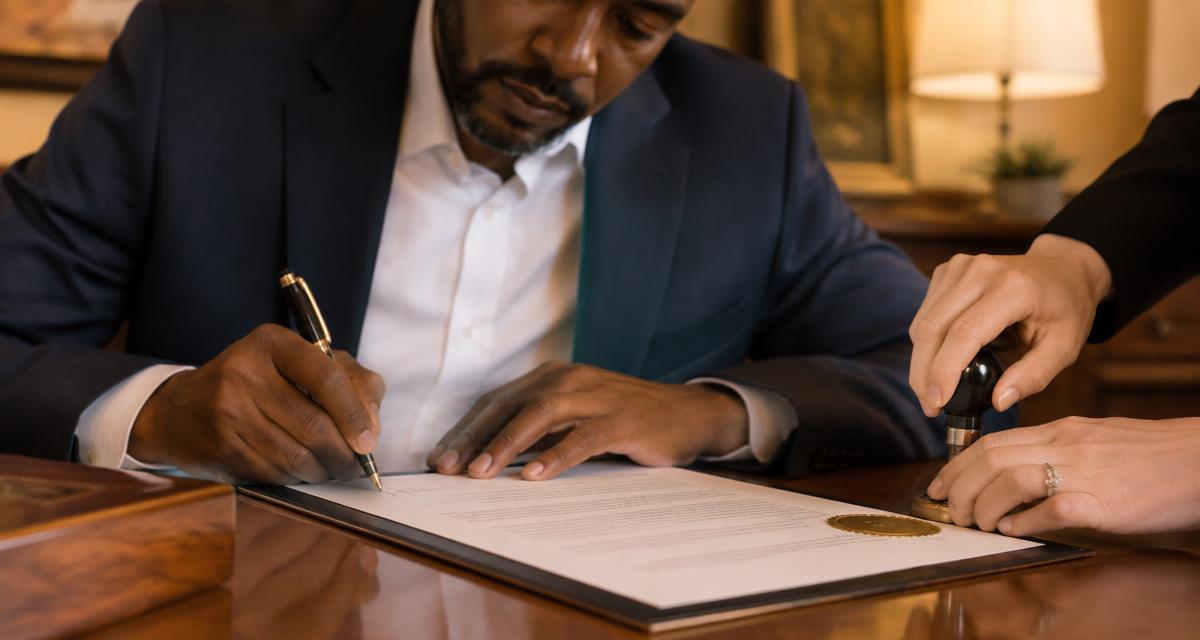
Yes. A New Jersey notary is not just permitted to refuse a notarization in certain circumstances — under the New Jersey Law on Notarial Acts, a notary is required to decline when the legal conditions for a valid notarization are not met. This is not the notary being difficult; it is the notary protecting you, the document, and the integrity of the notarial act itself.
Most refusals are avoidable. Once you understand what a notary is checking for, you can prepare your documents and your appointment so that everything goes smoothly the first time.
When a New Jersey notary must decline
New Jersey notaries are trained to spot a specific set of red flags before proceeding. If any of the following are present, the notary cannot legally complete the notarization:
- The signer is not physically present at the time of notarization
- The notary cannot verify the signer's identity through personal knowledge, satisfactory identification, or the oath of a credible witness
- The signer does not appear to understand what they are signing or the significance of the notarial act
- The signer appears to be acting under pressure, confusion, or duress rather than free will
- The document has no notarial certificate wording, or the wording does not match the act being requested
- There are unfilled blanks in the document that should be completed before signing
- The notary has a personal or financial interest that creates a conflict
What a notary cannot do, even if asked
Some refusals are not about the signer at all — they are about the limits of what a notary is legally allowed to do. A notary cannot write or choose the notarial certificate language for you, cannot fill in blanks on your behalf, cannot certify a copy of a vital record such as a birth certificate, and cannot notarize their own signature. If a document arrives with no certificate wording attached, the notary will ask you to add the correct wording, or in some cases will not be able to proceed at all.
How to make sure your appointment does not get turned away
A little preparation removes almost every reason a notary would have to decline. Before your appointment:
- Bring a valid, unexpired, government-issued photo ID
- Do not sign the document in advance if it requires a jurat — wait until you are in front of the notary
- Fill in every blank on the document except the signature and date, unless instructed otherwise
- Confirm the document includes notarial certificate wording, or ask whoever prepared it to add it
- Make sure every signer named on the document will be present
- Arrive rested, sober, and ready to confirm you understand the purpose of the document
A notary who declines is following the law, not making a judgment call about your document's importance. Refusing a flawed notarization protects the document from being challenged later.
What happens if a notary does decline
If a notarization cannot be completed, the notary will explain exactly what condition was not met so you know what to fix. Often the fix is simple: getting a fresh ID, completing a blank field, or having the document's certificate wording corrected. Once the issue is resolved, you can schedule a new appointment.
- Can a notary refuse just because they do not like the document?
- No. A notary's role is to verify the legal requirements of the notarial act, not to judge the content or purpose of a lawful document. Refusals are based on specific, defined conditions, not personal opinion.
- Will I be charged if the notary has to decline?
- This varies by situation and should be discussed with the notary in advance. It is always better to resolve foreseeable issues, like an expired ID, before the appointment is scheduled.
- Can a notary refuse to notarize for a family member?
- A notary can notarize for a family member as long as there is no personal or financial interest in the document and every other legal requirement is met.
- What if only one signer can be present today?
- Every signer named in the notarial certificate generally needs to personally appear. If someone cannot attend, the appointment may need to be rescheduled once everyone is available.
Come prepared and your notarization will go smoothly
Almost every refusal is preventable once you know what a New Jersey notary is required to check. Bring valid identification, leave your signature until you are in front of the notary, and make sure your document is complete and ready. If you have questions about your specific document before your appointment, reach out to Signed By Love Levon Notary Services and request an appointment through the contact form — we are glad to help you prepare in advance.
This information is provided for general educational purposes and is not legal advice. A Notary Public cannot provide legal advice unless separately authorized to do so.
Need a Notary in New Jersey?
If you need professional Notary services, we're here to help. Contact us to ask about availability and schedule your Notary appointment.
Related notary services
Related guides
- Does the Document Have to Be Signed in Front of the Notary?Whether you must sign in front of the notary depends on the type of notarial act your document requires.
- What Happens If My ID Is Expired at a Notary Appointment?An expired ID usually cannot be used, but New Jersey law still gives you a couple of ways to move forward that day.
- What Forms of Identification Can Be Used for a New Jersey Notarization?A quick guide to the identification New Jersey notaries typically rely on to confirm who you are.